Recycling & processing technology·03 / 18
Screening technologyScreen.
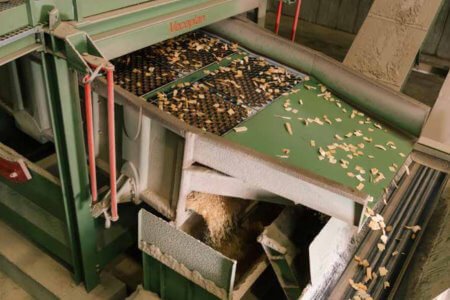 Fig. 03Partner Vecoplan
- Area
- Recycling
- Technology
- Vecoplan
- Process step
- Screening
- Materials
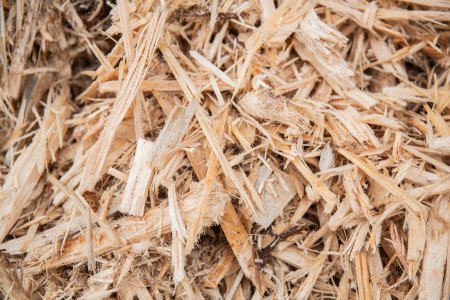
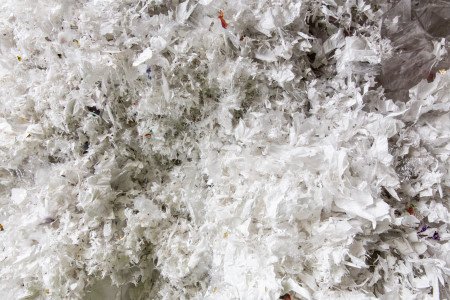
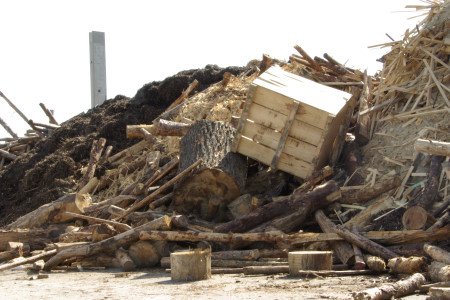
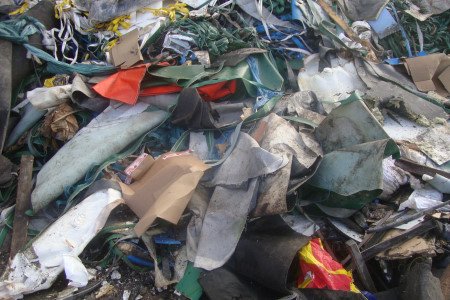
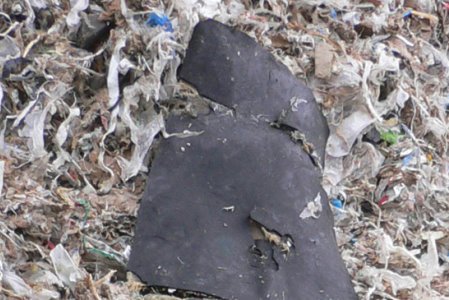
- Wood, Plastics, Biomass, Household & commercial waste, Refuse-derived fuels
Recycling & processing technology
Screening technology
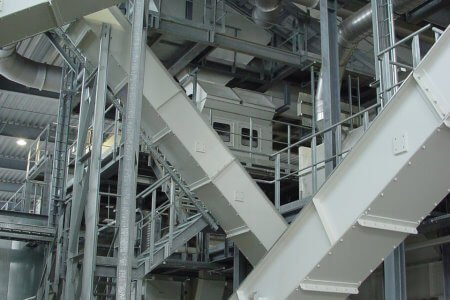
Separating fractions by size: removing fines, returning oversize, securing quality – integrated into the material flow.
Partner Vecoplan
01Performance
What it does.
Securing quality
A defined fraction is often the precondition for fuel specifications or further processing.
Oversize in a loop
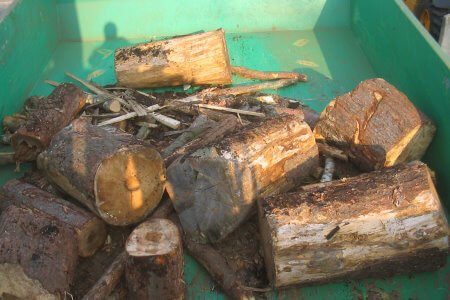
Oversized pieces return to the shredder instead of causing trouble in conveying, storage or combustion.
Removing fines
Separating dust and fines improves combustion behaviour, storability and the working environment.
Integrated in the flow
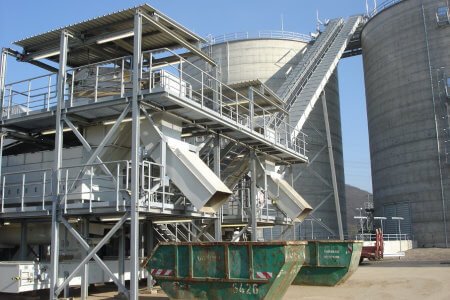
Screen, feed and discharge conveyors are designed as one unit so the line runs evenly.
02Context
Where in the process.
Recycling & processing
01 / 07
- 01InfeedConveying technology
- 02ShreddingShredding technology
- 03ConveyingConveying technology
- 04ScreeningSeparating fines and oversize – oversize returns to the shredder.● This page
- 05SeparatingSeparation technology
- 06StoringStorage technology
- 07DosingDosing technology
03Markets
Typical materials.
These are the markets where we typically use this technology. Each tile leads to the matching solution.
Design sheet
VT-03-S
Input
Mixed particle sizes
Output
Fines · accepts · oversize
Design parameters
- P01Cut size
- P02Number of fractions
- P03Throughput
- P04Moisture
- P05Particle shape
- P06Tendency to clog
Guide only – project-specific design required. We define the actual values together with you.
Schematic, not to scale
04Engineering
Machine types & parameters.
Typical machine types
- 01
Disc screens
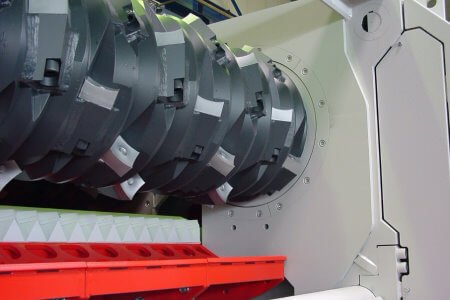
Rotating disc shafts separate robustly with little risk of clogging – common for wood and biomass.
- 02
Trommel screens
Rotating drum for mixed and also moist materials, such as waste and RDF/SRF.
- 03
Vibrating screens
Precise classification of dry, free-flowing materials into several fractions.
- 04
Star screens
Flexible star shafts for difficult, moist or fibrous materials.
05References
From our projects.
Partner technology
Technology from our partners.
Vecoplan
Bad Marienberg, Germany
Since 1969
Systems for shredding, conveying and processing wood, biomass, plastics, paper and household and commercial waste.
The machine technology typically comes from Vecoplan. Vecotrade plans the plant, integrates the machines into your material flow, installs, commissions and remains your point of contact.
06Contact
Your project. One contact.
Describe your material, goal and constraints – we will get back to you with a first assessment. Your enquiry is already pre-filled with this technology.
FAQ
Frequently asked questions.
01Does every line need a screen?
Not necessarily. If the shredder already delivers the required fraction through its screen basket, a separate screen may not be needed. As soon as fines cause problems or oversize must be reliably excluded, a dedicated screening step pays off.
02Which screen suits moist material?
Moist and fibrous materials tend to stick. Trommel and star screens usually cope better than fine-mesh vibrating screens. The choice always depends on the specific material, though – project-specific design required.
03Can a screen be retrofitted?
Often, yes. Space, transfer heights and the oversize return are decisive. We check the installation situation on site and plan conveyors and connections along with it.
Vecotrade S.A. · 75 Duarrefstrooss · L-9990 Weiswampach · +352 26 91 26 · info@vecotrade.com
General description – project-specific design required.