Recycling & processing technology·04 / 18
Separation technologySeparate.
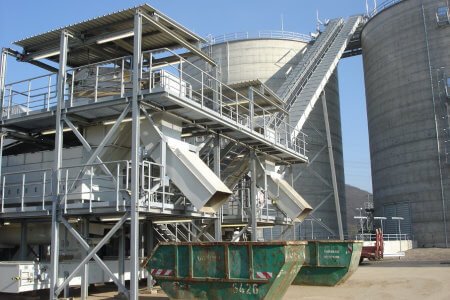 Fig. 04Partner Vecoplan
- Area
- Recycling
- Technology
- Vecoplan
- Process step
- Separating
- Materials
- All markets
Recycling & processing technology
Separation technology
Removing metals, stones and contaminants selectively – for pure, homogeneous fractions of high value.
Partner Vecoplan
01Performance
What it does.
Protecting machines
Removing metal early, before it damages secondary shredders, conveyors or the furnace.
Raising product quality
Fewer impurities mean a more homogeneous, more marketable fraction.
Recovering valuables
Separated metals are often a recoverable material stream in their own right.
Thought through in stages
The sequence of shredding, screening and separating decides how well each separator works.
02Context
Where in the process.
Recycling & processing
01 / 07
- 01InfeedConveying technology
- 02ShreddingShredding technology
- 03ConveyingConveying technology
- 04ScreeningScreening technology
- 05SeparatingRemoving metals and contaminants, recovering valuable materials in pure fractions.● This page
- 06StoringStorage technology
- 07DosingDosing technology
03Markets
Typical materials.
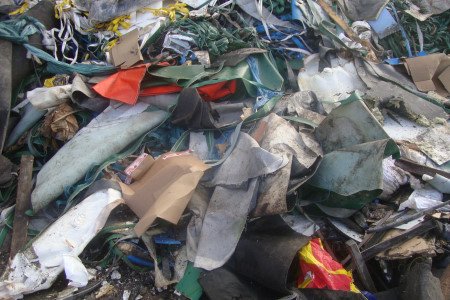
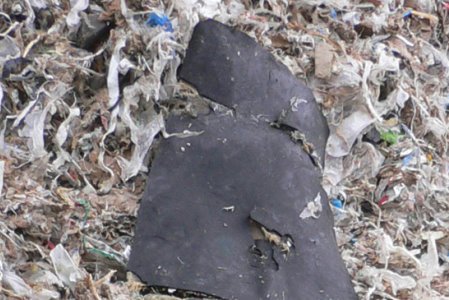
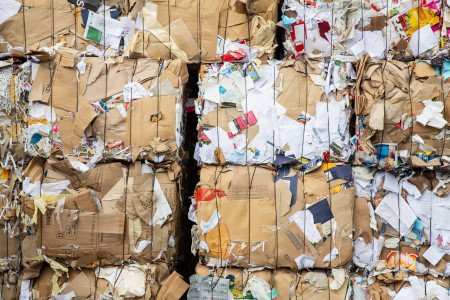
These are the markets where we typically use this technology. Each tile leads to the matching solution.
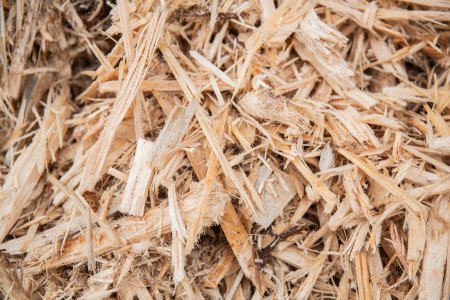
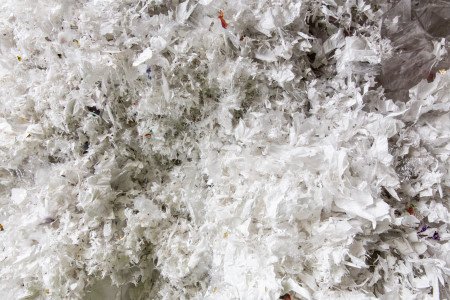
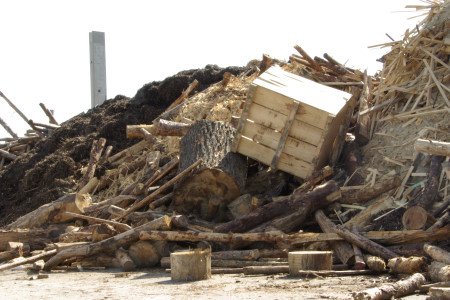
Design sheet
VT-04-S
Input
Mix with contaminants
Output
Pure fractions
Design parameters
- P01Type & share of contaminants
- P02Particle size range
- P03Purity target
- P04Burden depth on the belt
- P05Throughput
Guide only – project-specific design required. We define the actual values together with you.
Schematic, not to scale
04Engineering
Machine types & parameters.
Typical machine types
- 01
Overband magnets & magnetic drums
Remove ferrous metals from the flow – usually right after shredding.
- 02
Eddy-current separators
Separate non-ferrous metals such as aluminium and copper.
- 03
Heavy & light fraction separators
Separate stones, glass or films by air flow, density or ballistics.
- 04
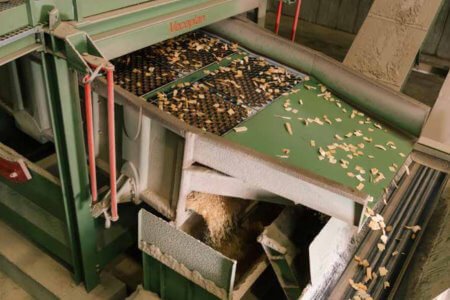
Metal separators for wood streams
Detect metal parts in wood and biomass streams and eject them.
05References
From our projects.
Partner technology
Technology from our partners.
Vecoplan
Bad Marienberg, Germany
Since 1969
Systems for shredding, conveying and processing wood, biomass, plastics, paper and household and commercial waste.
The machine technology typically comes from Vecoplan. Vecotrade plans the plant, integrates the machines into your material flow, installs, commissions and remains your point of contact.
06Contact
Your project. One contact.
Describe your material, goal and constraints – we will get back to you with a first assessment. Your enquiry is already pre-filled with this technology.
FAQ
Frequently asked questions.
01Where does the metal separator belong?
As early as makes sense – typically after primary shredding, once the material has been broken up, and ahead of sensitive machines. In multi-stage lines a second separation after secondary shredding can be useful.
02Can non-ferrous metals be recovered?
Yes, with eddy-current separators. They work best with pre-screened material in a defined particle size range – which is why we plan screening and separation together.
03How do we find the right concept?
Through your material and your quality target. Describe the contaminants and the requirements for the end product; we outline a separation sequence from that – project-specific design required.
Vecotrade S.A. · 75 Duarrefstrooss · L-9990 Weiswampach · +352 26 91 26 · info@vecotrade.com
General description – project-specific design required.